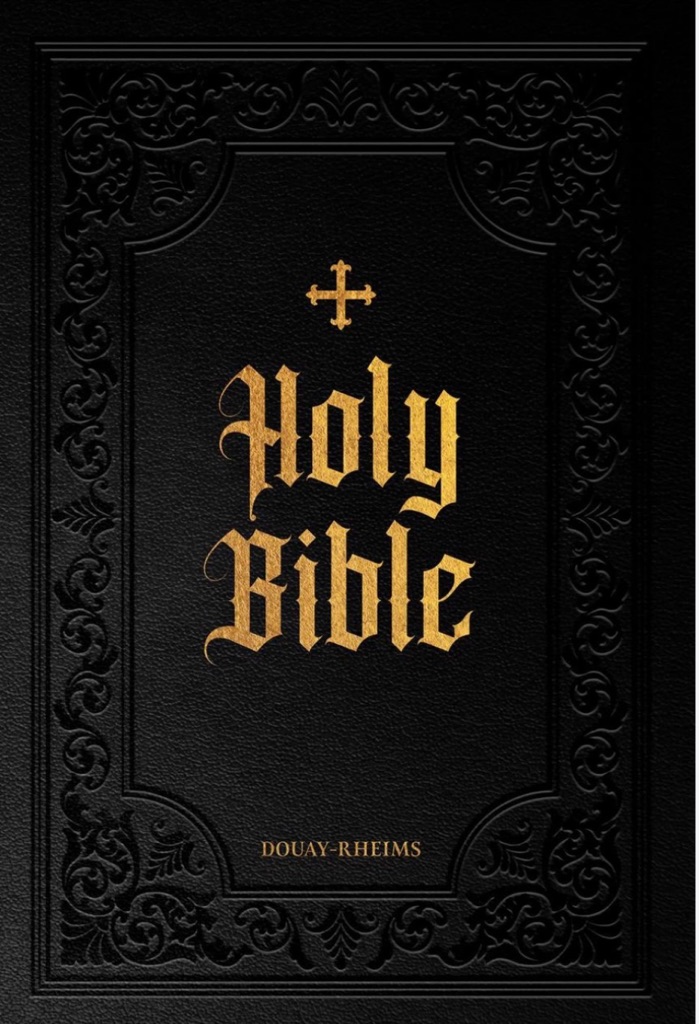
Bible
Has pages of the bible
Genesis 1:1
“In the beginning God created the heaven and the earth.” — King James Version (KJV)
Chapter 1: Before the Beginning
Before there were cities, before there were kingdoms, before there were roads stretching across the earth, there was no human being to walk upon the land. There were no children laughing, no birds singing in the trees, no families gathering around a fire, and no footsteps in the dust.
The world as people would one day know it had not yet taken shape.
But God was there.
In the beginning, God created the heaven and the earth. The earth was without form and empty, and darkness covered the deep. Nothing looked as it would look in the world that people would eventually inhabit. There were no gardens filled with fruit, no mountains standing tall beneath the clouds, and no rivers winding through green valleys.
Then God spoke.
“Let there be light.”
And there was light.
God saw that the light was good, and He separated the light from the darkness. He called the light Day, and the darkness He called Night. Evening passed, and morning came, marking the first day.
God continued His work. He made the expanse of the heavens, separating the waters. He gathered the waters beneath the sky so that dry land appeared. He called the dry land Earth, and the gathered waters He called Seas.
The earth began to take shape.
God commanded the land to bring forth grass, plants, and trees bearing fruit. Soon the ground was covered with growing life. Trees stretched their branches toward the heavens. Plants spread across the earth, and seeds were formed so that new plants could grow.
God made the sun to rule the day and the moon and stars to shine through the night. He filled the waters with living creatures and the skies with birds. Great creatures moved through the seas, while birds flew above the earth.
Then God created animals to live upon the land: cattle, creeping things, and beasts of every kind.
The earth was becoming a place of wonder.
Everywhere there was life, movement, color, and beauty. The heavens stretched above the land, the waters flowed, and living creatures filled the world.
God saw all that He had made, and it was very good.
Yet the story of humanity was only beginning.
Chapter 2: The Creation of Adam
God formed the first man from the dust of the ground.
His name was Adam.
The Bible tells us that God breathed into his nostrils the breath of life, and Adam became a living soul.
Imagine the first moment of human life: eyes opening to a world that had never before been seen by human eyes. There were no memories of childhood, no lessons learned from parents, and no stories passed down from earlier generations. Adam was the first man.
He had no human father to teach him how to walk. He had no mother to hold him as a baby. There was no village waiting to welcome him and no other person to explain the world around him.
His life began through the creative work of God.
God placed Adam in a garden called Eden, a place filled with beauty and abundance.
The garden was not like an ordinary field. It was filled with trees that were pleasant to look at and good for food. A river flowed through Eden to water it, and the land held everything Adam needed to live.
The trees rose toward the sky. Their branches spread wide, and their leaves moved gently in the breeze. Fruit hung among the leaves, and the ground was alive with plants and growing things.
There was no need for Adam to build a city or search distant lands for food. God had placed him in a garden prepared for him.
Adam could walk through the garden and see the works of creation all around him. He could observe the animals, the plants, the waters, and the changing light of day.
God gave Adam a responsibility: he was to dress and keep the garden.
This meant that Adam was not simply placed in Eden to enjoy its beauty. He was given work to do. He was to care for the place where God had put him.
God also gave Adam a command concerning the trees of the garden.
He could freely eat from the trees, but there was one exception. God commanded him not to eat from the tree of the knowledge of good and evil. God warned that in the day he ate from it, he would surely die.
Adam had freedom within the garden, but his freedom came with a boundary.
He had received life, a home, food, purpose, and a relationship with his Creator. His responsibility was to trust and obey the One who had given him all these things.
At first, Adam's world was peaceful.
But God saw something that was not good.
Chapter 3: The Creation of Eve
God said that it was not good for the man to be alone.
Although Adam lived among the animals and had been given the garden to care for, none of the animals was a suitable companion for him.
God brought the animals to Adam, and Adam gave them names. He observed the creatures of the earth and the birds of the sky, naming them according to his understanding.
Yet among all the creatures, there was no one like Adam.
There was no other human being with whom he could share his thoughts, his work, or his life. There was no one who stood beside him as an equal companion.
So God caused a deep sleep to fall upon Adam.
While Adam slept, God took one of his ribs and closed up the flesh in its place. From the rib, God made a woman and brought her to the man.
When Adam saw her, he recognized that she was different from every other creature he had encountered.
At last, there was another human being.
Adam called her woman because she had been taken out of man. Later, the woman was given the name Eve, which is associated with life and living.
Eve was not another animal in the garden. She was human, sharing Adam's humanity and becoming his companion.
Together, Adam and Eve stood in the world God had made.
They could walk through the garden, observe its beauty, and fulfill their responsibilities together. They could share the food God had provided and experience the world side by side.
Genesis describes them as naked and not ashamed.
They had no reason to hide from one another. There was no deceit between them, no embarrassment, and no fear of being exposed. Their relationship existed without the shame that would later enter their lives.
The Bible also establishes a principle through their union: a man leaves his father and mother and holds fast to his wife, and the two become one flesh.
For Adam and Eve, there was no long history of human relationships to learn from. They were the beginning of the human family.
Their world was a garden. Their home was the place God had prepared. Their lives were connected to the One who had created them.
But in the garden, something dangerous was waiting.
Chapter 4: The Serpent
Genesis tells us that the serpent was more subtle than any beast of the field that the Lord God had made.
The serpent approached the woman and began speaking to her about God's command.
“Yea, hath God said, Ye shall not eat of every tree of the garden?”
The question introduced doubt.
God had given Adam permission to eat from the trees of the garden, except for one. But the serpent's words made the command sound restrictive, as though God had denied them the garden's abundance.
Eve answered that they could eat of the fruit of the trees, but concerning the tree in the midst of the garden, God had commanded them not to eat it, nor touch it, lest they die.
Then the serpent contradicted God's warning.
“Ye shall not surely die.”
The serpent suggested that eating the fruit would open their eyes and make them like gods, knowing good and evil.
The conversation placed a choice before Eve.
Would she trust the command God had given, or would she believe the serpent's claim?
The tree had been forbidden, but now Eve looked at it in a new way.
She saw that the tree was good for food, that it was pleasant to the eyes, and that it was desired to make one wise.
The fruit seemed desirable.
Eve took of the fruit and ate.
Then she gave some to Adam, who was with her, and he ate as well.
The choice had been made.
The command God had given them had been broken.
And the consequences began almost immediately.
Chapter 5: The First Shame
Before they ate the fruit, Adam and Eve had been naked and not ashamed.
Afterward, the Bible says that the eyes of both were opened, and they knew that they were naked.
They sewed fig leaves together and made themselves coverings.
Something had changed in their experience of themselves. The openness that had characterized their lives was replaced by shame.
For the first time, they attempted to cover themselves.
Then they heard the voice of the Lord God walking in the garden in the cool of the day.
Adam and Eve hid themselves among the trees.
Think about the difference between this moment and the life they had known before.
The garden had been their home. They had been placed there by God and given the responsibility of caring for it. They had received His command and His provision.
Yet now, when they heard Him, they hid.
They were afraid to be seen.
God called to Adam.
“Where art thou?”
God asked Adam where he was, even though the story presents God as the One who knew what had happened.
Adam answered that he had heard God's voice in the garden and was afraid because he was naked, so he hid himself.
God asked who had told him that he was naked and whether he had eaten from the forbidden tree.
Adam answered by pointing to the woman.
The woman, he explained, was the one God had given to be with him, and she had given him the fruit.
His answer shifted the blame.
God then asked the woman what she had done.
Eve answered that the serpent had beguiled her, and she had eaten.
The serpent had deceived her, but Eve had still made her choice. Adam had also made his choice when he ate.
The first human disobedience had become a moment of fear, shame, and blame.
Instead of standing openly before God, Adam and Eve tried to hide. Instead of simply acknowledging their actions, they pointed toward others.
Their relationship with God had been damaged, and their relationship with each other was now marked by the consequences of what they had done.
Chapter 6: The Consequences
God pronounced judgment upon the serpent, the woman, and the man.
The serpent was cursed above the cattle and every beast of the field. God declared enmity between the serpent and the woman, and between the serpent's seed and her seed. The passage also spoke of the woman's seed bruising the serpent's head and the serpent bruising his heel.
For the woman, God described pain in childbirth and difficulties within the relationship between man and woman.
For Adam, the ground was cursed because of his disobedience.
The ground that had provided food would now bring forth thorns and thistles. Adam would have to labor for his food by the sweat of his face until he returned to the ground from which he had been taken.
God had formed Adam from the dust of the earth, and now Adam would face the reality of mortality.
The garden would no longer be a place of effortless provision.
Work would become difficult. The ground would resist him. Pain and hardship would become part of human life.
Adam called his wife Eve because she was the mother of all living.
God also made coats of skins for Adam and Eve and clothed them.
Even as they faced the consequences of disobedience, they were not simply left to make their own coverings from fig leaves.
But the garden could not remain their home.
God said that the man had become as one of them, knowing good and evil, and that he must not take from the tree of life and live forever in that fallen condition.
So God sent Adam out of the Garden of Eden to till the ground from which he had been taken.
At the east of the garden, God placed cherubims and a flaming sword that turned every way to guard the way of the tree of life.
Adam and Eve were outside the garden now.
The place of their beginning was behind them.
The world beyond Eden would be the place where they built their lives, raised their family, and experienced the struggle of living in a world changed by their disobedience.
They had lost their home in the garden, but the story of humanity was not over.
Chapter 7: Life Outside Eden
Outside Eden, Adam and Eve faced a world that would demand effort and endurance.
Adam had been commanded to work the ground, and the ground would no longer provide for him without hardship. The food he needed would require labor. His days would include the struggle of planting, tending, and harvesting.
Eve would also experience the pain and difficulty associated with bringing children into the world.
They were no longer living in the garden where God had placed them. The guarded entrance stood between them and the tree of life.
The Bible does not describe every day of their lives outside Eden, nor does it tell us exactly where they settled or what their daily routines looked like. But it does tell us that their family grew and that their children would become part of the next chapter of human history.
Adam knew Eve his wife, and she conceived and bore Cain.
Eve said that she had gotten a man from the Lord.
Later, she bore Cain's brother Abel.
Cain became a tiller of the ground, while Abel became a keeper of sheep.
Their lives reflected different kinds of work. Cain cultivated the land, and Abel cared for flocks.
Both brothers lived in the world that had followed Eden. Neither had known the garden as Adam and Eve had known it, and neither could return to the place where their parents' story had begun.
As they grew, the brothers brought offerings to the Lord.
Cain brought an offering of the fruit of the ground.
Abel brought the firstlings of his flock and the fat thereof.
The Lord had respect unto Abel and to his offering, but unto Cain and his offering He had not respect.
The Bible does not give every detail of the reason for this difference in those verses, though later Scripture speaks of Abel's faith. What Genesis emphasizes next is Cain's response.
Cain was very wroth, and his countenance fell.
He was angry.
The problem was no longer only about an offering. Cain's anger was growing within him, and he was faced with a choice about what to do with it.
God spoke to Cain and asked why he was angry and why his countenance had fallen.
God warned that if Cain did well, he would be accepted. But if he did not do well, sin lay at the door, and its desire was toward him.
Cain was warned that he must rule over it.
The warning came before the terrible act that would follow.
But Cain did not turn away from the path of anger.
Chapter 8: Cain and Abel
Cain spoke with Abel his brother.
Then, when they were in the field, Cain rose up against Abel and killed him.
The first murder had taken place.
The brother who had grown up beside Cain, who had lived in the same family and belonged to the same generation, was dead at Cain's hand.
God asked Cain where Abel was.
Cain answered, “I know not: Am I my brother's keeper?”
But God knew what had happened.
He told Cain that his brother's blood cried unto Him from the ground.
The ground that Cain had worked had received the blood of his brother. Cain had brought violence into his own family, and the consequences were now upon him.
God declared that the ground would no longer yield its strength to Cain as before. Cain would be a fugitive and a vagabond in the earth.
Cain feared that whoever found him would kill him.
God, however, set a mark upon Cain so that no one finding him would kill him.
Cain went out from the presence of the Lord and dwelt in the land of Nod, on the east of Eden.
His story showed how quickly the consequences of sin had spread through humanity.
Adam and Eve had disobeyed God. Cain had allowed anger to grow until it became murder. The human family, which had begun with the creation of Adam and Eve, was now marked by grief, violence, and separation.
Yet life continued.
Cain had a wife and built a city. Generations followed, and people developed skills and occupations. Genesis records the growth of human society, including those who dwelt in tents, kept cattle, played instruments, and worked with metal.
The human story was expanding beyond the garden.
But the beginning of humanity would always be remembered as the story of a world created good, a command disobeyed, and a family that had to live with the consequences.
Chapter 9: A New Beginning
Adam and Eve had lost Abel, and Cain had gone away.
Their family had experienced both the joy of children and the terrible pain of death. The world outside Eden was not the world they had first encountered in the garden.
Yet Genesis tells us that Adam knew his wife again, and she bore a son and called his name Seth.
Eve spoke of God appointing her another seed instead of Abel, whom Cain slew.
Seth became part of the family line through which later generations would be traced.
The Bible records that Adam lived many years and had other sons and daughters. His descendants multiplied, and generation followed generation.
People were born, lived their lives, had children, and eventually died.
The first human family had become the beginning of many families.
Their descendants would spread across the earth, build communities, develop skills, and form the nations that appear later in the biblical story.
And through all these generations, the questions raised at the beginning remained important.
Would humanity trust God?
Would people choose what was right when faced with temptation?
Would they take responsibility for their actions, or would they shift the blame to someone else?
Would they treat their fellow human beings with love, or allow anger and jealousy to rule them?
The story of Adam and Eve does not answer every question about the human condition, but it establishes the beginning of many themes that continue throughout the Bible.
Chapter 10: What the Story Teaches
The story of Adam and Eve is more than a story about the first man and woman. It is a story about the relationship between humanity and God.
In Genesis, God creates the world and calls His creation good. Human beings are given a special place within that creation, along with responsibilities.
Adam and Eve are given a home, provision, and a command. Their story shows that choices have consequences, even when temptation makes disobedience appear desirable.
The serpent's words introduce doubt about God's command. Eve looks at the fruit and desires what it seems to offer. Adam also eats. Afterward, both experience shame and attempt to hide.
Their responses show how wrongdoing can lead people to conceal themselves and blame others rather than admit what they have done.
The story of Cain and Abel continues this theme. Cain is warned about the danger of sin before he kills his brother. His story reminds readers that anger and jealousy can become destructive when they are allowed to rule a person's actions.
But the Bible's larger story does not end with Eden, Cain, or Abel.
As Genesis continues, it tells of Noah, Abraham, Isaac, Jacob, and Joseph. Later books tell of the people of Israel, their struggles, their laws, their prophets, and their relationship with God.
In the New Testament, Christians understand Jesus Christ as central to God's answer to sin and death. Romans 5 draws a connection between Adam and Christ, while 1 Corinthians 15 describes Christ as the last Adam.
The story that begins in a garden eventually becomes part of the Bible's much larger account of creation, humanity, judgment, mercy, and redemption.
And that is why the story of Adam and Eve remains so important.
It begins with the creation of humanity, but it also introduces the choices, relationships, failures, and hopes that continue throughout the rest of Scripture.
The Story of God and His Creation
- In the beginning, before the earth had mountains, rivers, trees, or people, God existed. There was no world as we know it, no shining sun in the sky, no stars lighting up the darkness, and no birds singing in the air. Then God began His great work of creation. God said, “Let there be light,” and light appeared. He separated the light from the darkness, calling the light Day and the darkness Night. God created the sky, gathered the waters together, and made dry land appear. He covered the earth with grass, plants, and trees that produced fruit and seeds. He placed the sun in the sky to shine during the day and the moon and stars to shine at night. He filled the waters with fish and the skies with birds, and He created animals to walk upon the land. The world was filled with life, beauty, and wonder, and God saw that His creation was good. But God had something special in mind. He created the first man, Adam, from the dust of the ground and breathed the breath of life into him. Adam became a living being. God placed Adam in a beautiful garden called Eden, where trees grew with delicious fruit, rivers flowed through the land, and everything Adam needed was provided. God gave Adam the responsibility of caring for the garden and looking after the animals. Adam was allowed to eat from the trees of the garden, but God gave him one command: he must not eat from the tree of the knowledge of good and evil, because eating from it would bring death. God then decided that Adam should not be alone. He caused Adam to fall into a deep sleep, took a part from his side, and formed the first woman, Eve. When Adam saw Eve, he knew she was different from all the other creatures. She was his companion, and together they lived in the garden. They could enjoy the beauty of God's creation and walk in the garden without shame or fear. Everything seemed peaceful, but one day a serpent approached Eve. The serpent was cunning and questioned God's command about the forbidden tree. It told Eve that eating the fruit would not make them die and suggested that the fruit would make them wise like God. Eve looked at the tree and saw that its fruit appeared good to eat and desirable for gaining wisdom. She took some fruit and ate it, then gave some to Adam, who was with her, and he ate it too. Suddenly, their understanding changed. They realized they were naked and felt ashamed, so they made coverings for themselves from fig leaves. When they heard God walking in the garden, they hid among the trees. God called to Adam, asking where he was. Adam answered that he had heard God but was afraid because he was naked. God asked whether Adam had eaten from the tree He had forbidden. Adam blamed Eve, and Eve blamed the serpent. Their disobedience had broken the trust between them and God, and it brought painful consequences. God told the serpent that it would be cursed. He explained that the woman would experience pain in childbirth and that the relationship between people and the ground would become difficult. Adam would have to work hard to grow food, and eventually he would return to the dust from which he had been made. Although their actions had consequences, God still cared for Adam and Eve. He made garments for them and clothed them. Then He sent them out of the Garden of Eden so they could no longer eat from the tree of life and live forever in their fallen condition. They left the garden and began a new life outside the place where they had first lived in peace. Life became harder, but their story did not end there. Adam and Eve had children. Their first sons included Cain, who worked the soil, and Abel, who cared for sheep. When they brought offerings to God, Abel's offering was accepted, while Cain became angry because his offering was not regarded in the same way. God warned Cain that sin was waiting at the door and that he needed to master it. But Cain allowed jealousy and anger to control him, and he took Abel into the field and killed him. When God asked Cain where Abel was, Cain answered that he did not know and asked whether he was his brother's keeper. God knew what had happened, and Cain faced the consequences of his terrible act. Even after this tragedy, human life continued. Adam and Eve later had another son named Seth, and their family grew as generations passed. As people multiplied across the earth, they experienced love and joy, but also jealousy, suffering, and wrongdoing. The story of creation reminds believers that God is the maker of heaven and earth, that human beings have a special place in His creation, and that the choices people make matter. It also shows how disobedience can damage relationships and bring suffering into the world. Yet throughout the story, God does not simply disappear from humanity. He speaks, gives guidance, judges wrongdoing, and continues to care for people even when they make mistakes. The Bible's story of God continues beyond Adam and Eve. Generations later, God called a man named Abraham and promised to make his descendants into a great nation. Abraham trusted God even when the future seemed uncertain. God guided Abraham's family through many challenges, and eventually the people of Israel became a nation. When they were enslaved in Egypt, God called Moses to lead them out of slavery. Through Moses, God brought the Israelites out of Egypt and guided them through the wilderness. He gave them commandments to teach them how to live and how to treat one another. The people often struggled to trust Him, but God continued to guide them. Many years later, God sent prophets to warn people when they turned away from what was right and to remind them of His promises. Christians believe that God's greatest act of love came through Jesus Christ, who was born in Bethlehem, taught people to love God and their neighbors, healed the sick, welcomed those who were rejected, and showed compassion to sinners. Jesus taught that people should forgive one another, care for the poor, love their enemies, and seek God's kingdom. Although He did no wrong, He was arrested and crucified. Christians believe that Jesus died for the sins of humanity and rose from the dead on the third day, offering forgiveness and eternal life to those who trust in Him. His followers spread His teachings, telling people about God's love and the hope found in Jesus. The Bible ends with a vision of God's ultimate victory over evil, when suffering, death, and sorrow will be no more and God will dwell with His people. From the first words of Genesis to the final promises of Revelation, the Bible tells a story of creation, human choices, brokenness, faith, mercy, and redemption. It teaches that God created the world with purpose, that He cares about the people He made, and that His love and promises remain central even when humanity struggles. For many believers, this is the heart of the biblical story: the God who created the universe continues to call people toward truth, forgiveness, hope, and a life shaped by love.
1. John 3:16 — God's Love
“For God so loved the world, that he gave his only begotten Son, that whosoever believeth in him should not perish, but have everlasting life.”
2. Psalm 23:1 — God Guides Us
- “The LORD is my shepherd; I shall not want.”
3. Philippians 4:13 — Strength
“I can do all things through Christ which strengtheneth me.”
4. Psalm 119:105 — God's Word
“Thy word is a lamp unto my feet, and a light unto my path.”
5. 1 Corinthians 13:4 — Love
“Charity suffereth long, and is kind; charity envieth not; charity vaunteth not itself, is not puffed up.”
More powerful verses
Genesis 1:1 — “In the beginning God created the heaven and the earth.”
Joshua 1:9 — “Be strong and of a good courage; be not afraid, neither be thou dismayed: for the LORD thy God is with thee whithersoever thou goest.”
Proverbs 3:5 — “Trust in the LORD with all thine heart; and lean not unto thine own understanding.”
Romans 8:28 — “And we know that all things work together for good to them that love God, to them who are the called according to his purpose.”
Matthew 5:9 — “Blessed are the peacemakers: for they shall be called the children of God.”
Psalm 46:1 — “God is our refuge and strength, a very present help in trouble.”
Ephesians 4:32 — “And be ye kind one to another, tenderhearted, forgiving one another, even as God for Christ's sake hath forgiven you.”
📖 50 Powerful Bible Verses
- 🙏 Verses About God
- 1. Genesis 1:1
In the beginning God created the heaven and the earth. - 2. Psalm 46:1
God is our refuge and strength, a very present help in trouble. - 3. Psalm 23:1
The LORD is my shepherd; I shall not want. - 4. Isaiah 41:10
Fear thou not; for I am with thee: be not dismayed; for I am thy God: I will strengthen thee; yea, I will help thee; yea, I will uphold thee with the right hand of my righteousness. - 5. Psalm 100:5
For the LORD is good; his mercy is everlasting; and his truth endureth to all generations. - 6. Exodus 14:14
The LORD shall fight for you, and ye shall hold your peace. - 7. Psalm 121:2
My help cometh from the LORD, which made heaven and earth. - 8. Nahum 1:7
The LORD is good, a strong hold in the day of trouble; and he knoweth them that trust in him. - 9. Psalm 34:8
O taste and see that the LORD is good: blessed is the man that trusteth in him. - 10. Revelation 22:13
I am Alpha and Omega, the beginning and the end, the first and the last. - ❤️ Verses About Love
- 11. John 3:16
For God so loved the world, that he gave his only begotten Son, that whosoever believeth in him should not perish, but have everlasting life. - 12. 1 Corinthians 13:4
Charity suffereth long, and is kind; charity envieth not; charity vaunteth not itself, is not puffed up. - 13. 1 Corinthians 13:13
And now abideth faith, hope, charity, these three; but the greatest of these is charity. - 14. 1 John 4:8
He that loveth not knoweth not God; for God is love. - 15. John 15:12
This is my commandment, That ye love one another, as I have loved you. - 16. Romans 12:10
Be kindly affectioned one to another with brotherly love; in honour preferring one another. - 17. Ephesians 4:32
And be ye kind one to another, tenderhearted, forgiving one another, even as God for Christ’s sake hath forgiven you. - 18. Colossians 3:14
And above all these things put on charity, which is the bond of perfectness. - 19. Proverbs 10:12
Hatred stirreth up strifes: but love covereth all sins. - 20. 1 John 4:19
We love him, because he first loved us. - 💪 Verses About Strength and Courage
- 21. Philippians 4:13
I can do all things through Christ which strengtheneth me. - 22. Joshua 1:9
Have not I commanded thee? Be strong and of a good courage; be not afraid, neither be thou dismayed: for the LORD thy God is with thee whithersoever thou goest. - 23. Isaiah 40:31
But they that wait upon the LORD shall renew their strength; they shall mount up with wings as eagles; they shall run, and not be weary; and they shall walk, and not faint. - 24. Deuteronomy 31:6
Be strong and of a good courage, fear not, nor be afraid of them: for the LORD thy God, he it is that doth go with thee; he will not fail thee, nor forsake thee. - 25. Psalm 27:1
The LORD is my light and my salvation; whom shall I fear? the LORD is the strength of my life; of whom shall I be afraid? - 26. 2 Timothy 1:7
For God hath not given us the spirit of fear; but of power, and of love, and of a sound mind. - 27. Nehemiah 8:10
For the joy of the LORD is your strength. - 28. Psalm 18:2
The LORD is my rock, and my fortress, and my deliverer; my God, my strength, in whom I will trust; my buckler, and the horn of my salvation, and my high tower. - 29. 1 Chronicles 16:11
Seek the LORD and his strength, seek his face continually. - 30. Psalm 28:7
The LORD is my strength and my shield; my heart trusted in him, and I am helped. - 🕊️ Verses About Faith and Trust
- 31. Proverbs 3:5
Trust in the LORD with all thine heart; and lean not unto thine own understanding. - 32. Hebrews 11:1
Now faith is the substance of things hoped for, the evidence of things not seen. - 33. Romans 10:17
So then faith cometh by hearing, and hearing by the word of God. - 34. Mark 11:24
Therefore I say unto you, What things soever ye desire, when ye pray, believe that ye receive them, and ye shall have them. - 35. 2 Corinthians 5:7
For we walk by faith, not by sight. - 36. Jeremiah 17:7
Blessed is the man that trusteth in the LORD, and whose hope the LORD is. - 37. Psalm 37:5
Commit thy way unto the LORD; trust also in him; and he shall bring it to pass. - 38. Matthew 21:22
And all things, whatsoever ye shall ask in prayer, believing, ye shall receive. - 39. Romans 15:13
Now the God of hope fill you with all joy and peace in believing, that ye may abound in hope, through the power of the Holy Ghost. - 40. Psalm 56:3
What time I am afraid, I will trust in thee. - 🌟 Verses About Hope, Peace, and Wisdom
- 41. Jeremiah 29:11
For I know the thoughts that I think toward you, saith the LORD, thoughts of peace, and not of evil, to give you an expected end. - 42. Matthew 5:9
Blessed are the peacemakers: for they shall be called the children of God. - 43. John 14:27
Peace I leave with you, my peace I give unto you: not as the world giveth, give I unto you. Let not your heart be troubled, neither let it be afraid. - 44. Psalm 119:105
Thy word is a lamp unto my feet, and a light unto my path. - 45. Proverbs 3:6
In all thy ways acknowledge him, and he shall direct thy paths. - 46. James 1:5
If any of you lack wisdom, let him ask of God, that giveth to all men liberally, and upbraideth not; and it shall be given him. - 47. Matthew 6:34
Take therefore no thought for the morrow: for the morrow shall take thought for the things of itself. Sufficient unto the day is the evil thereof. - 48. Romans 8:28
And we know that all things work together for good to them that love God, to them who are the called according to his purpose. - 49. Psalm 55:22
Cast thy burden upon the LORD, and he shall sustain thee: he shall never suffer the righteous to be moved. - 50. Revelation 21:4
And God shall wipe away all tears from their eyes; and there shall be no more death, neither sorrow, nor crying, neither shall there be any more pain: for the former things are passed away. - End of the 50 Bible Verses
- All verses above are from the King James Version (KJV).